
Sell a House Needing Repairs in Seattle, WA
House needs work in Seattle? Sell as-is for cash or see what repairs could be worth.
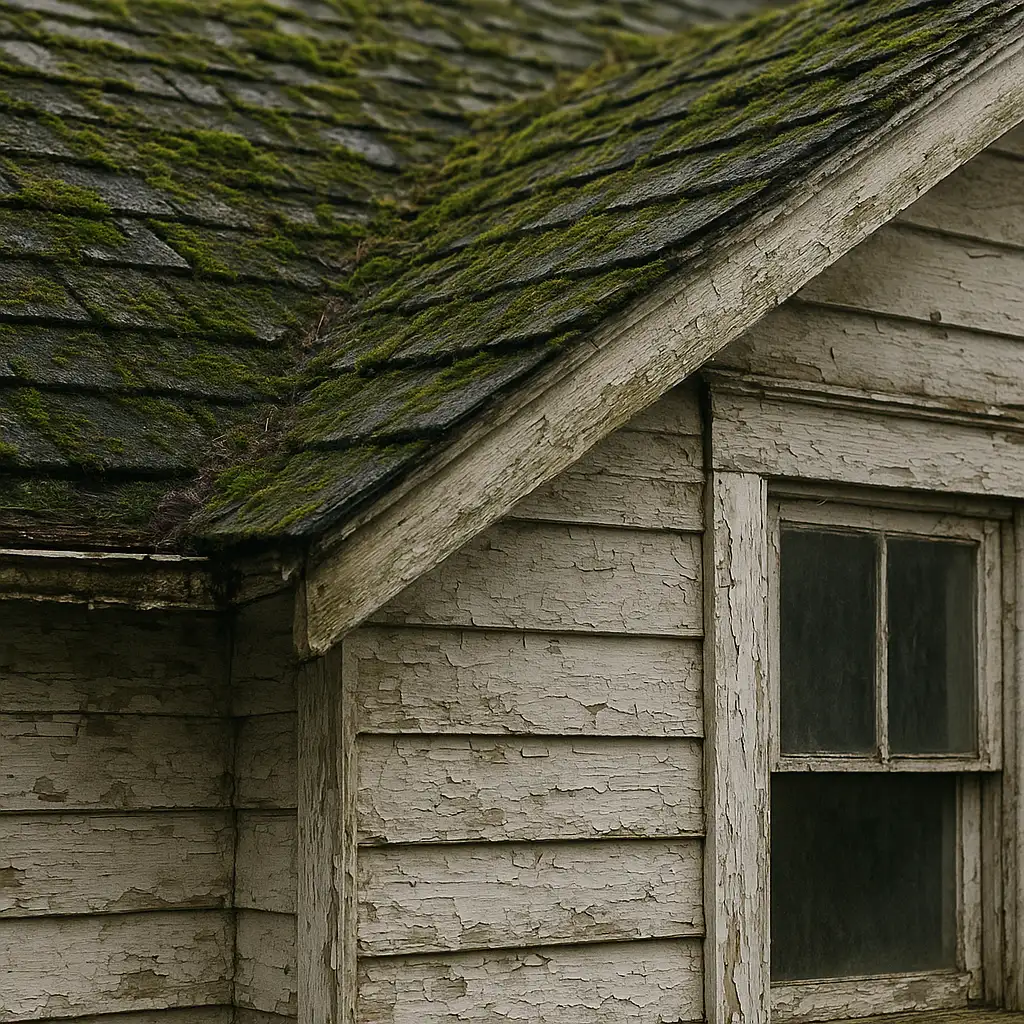
That Roof Has Been “Fine” for Three Years—How Long Until It Isn’t?
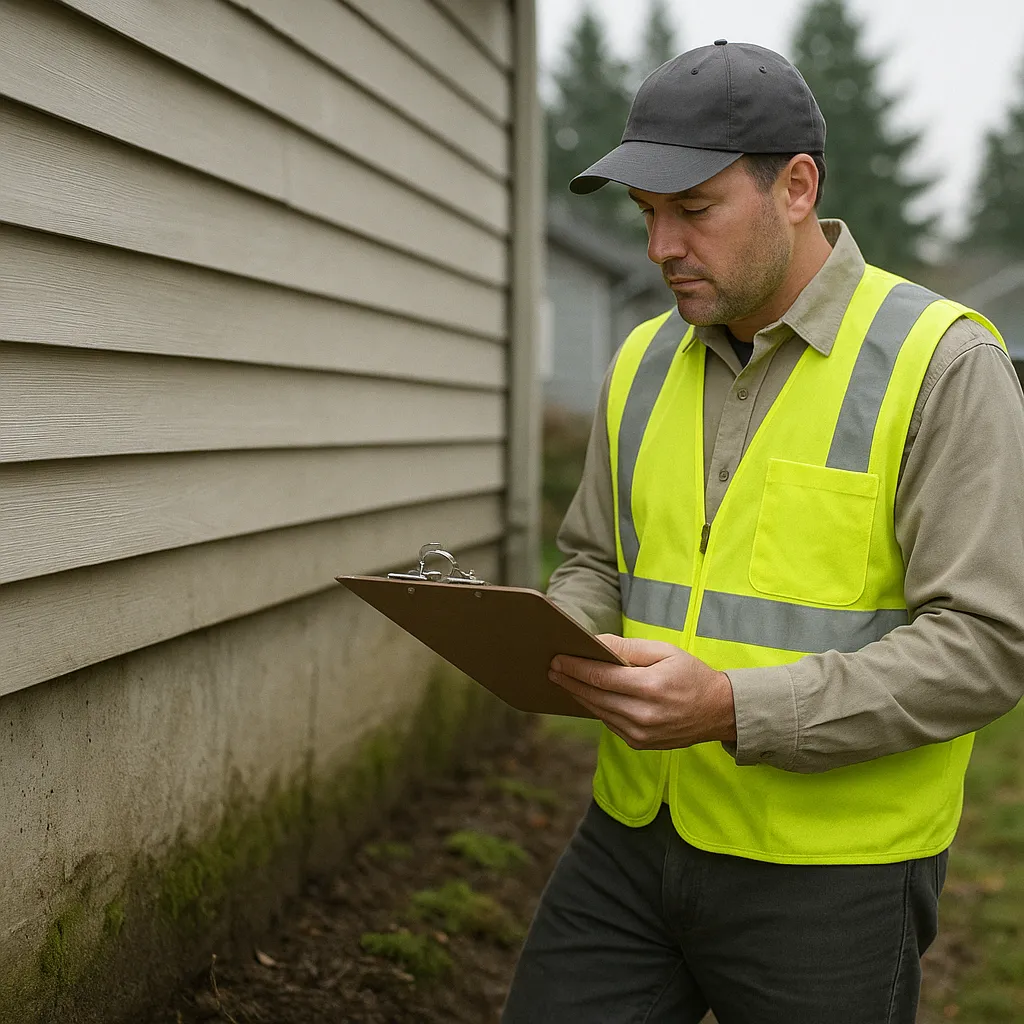
I know that look. You’re staring at the inspector’s report, doing the math, and the numbers aren’t adding up. In Seattle, where the median home sits around $850,000, you’d think repair costs would be manageable. But between contractor shortages and permit backlogs, even straightforward fixes can spiral fast.
Here’s what I’ve learned from helping people through tough housing decisions: you need both numbers in front of you before you decide anything. The cash offer today versus the listing price after repairs—with every cost included. When you see them side by side, the right path usually becomes obvious. If you’re already dealing with pressure from relocating for work or going through a divorce, that clarity matters even more.
There’s no shame in either choice. But you deserve real information, not pressure tactics.
Why Seattle’s Hills and History Make Repairs Different
Seattle isn’t flat, and that changes everything about foundation work. Queen Anne and Beacon Hill homes deal with water drainage, soil movement, and erosion issues that just don’t exist in most cities. A crack in your foundation here could mean $8,000 or it could mean $45,000—there’s no way to know without a structural engineer’s assessment.
Contractor rates in Seattle run $75–$150 an hour. Permits for anything structural can take 4–12 weeks. That’s before you start the actual work.
Then there’s the housing stock itself. Almost a third of Seattle homes were built before 1950. I’ve walked through hundreds of them, and the same issues keep showing up:
- Knob-and-tube wiring that most insurers and lenders refuse to touch ($15k–$25k to replace)
- Cast iron drain lines corroding from the inside out ($8k–$20k)
- Galvanized water supply lines that restrict flow to a trickle ($8k–$15k for full re-pipe)
- Buried oil tanks that can turn into environmental nightmares ($3k–$15k, sometimes much more if soil contamination exists)
Any single one of these can torpedo a traditional sale the moment an inspector finds it. That’s why some people decide to work with a cash buyer who takes properties as-is.
Running the Real Numbers on a Seattle Renovation
Let me walk through an actual example. Say you’ve got a Rainier Valley home that would be worth $650,000 fully renovated.
The renovation path looks like this:
- Foundation, roof, kitchen, bathroom work: $120,000
- Permits and engineering: $8,000
- Carrying costs during a 5-month project: $18,000
- Agent commissions at 5.5%: $35,750
- Closing costs: $8,000
- The overrun that always happens (budget 20%): $24,000
Total out-of-pocket: roughly $213,750. Net after selling: about $436,250.
A cash offer at 75% of after-repair value would be around $487,500.
If your renovation plan only works when nothing goes wrong, it’s not really a plan. That’s the honest truth. This is why so many people ask how much do cash home buyers pay—they need to compare both scenarios before making a decision.
When Fixing Up Actually Pays Off
I’m not going to pretend selling as-is is always the right call. Sometimes renovation makes sense:
- The work is cosmetic—paint, flooring, fixtures, landscaping
- You’re in Ballard, Fremont, or Capitol Hill where move-in-ready homes sell in days
- Total repair costs stay under $40,000 on an $800,000+ property
- You have reliable contractors (rare in Seattle right now) and time to manage the project
- Your timeline can absorb permit delays without financial strain
If all those boxes check, fixing up might net you more money. If even one doesn’t, selling as-is could be the smarter move—for your finances and your mental health.
What Investors Actually Buy
People assume investors only want cosmetic fixer-uppers. That’s not true. I’ve seen cash buyers take on:
- Active roof leaks and structural failure
- Foundation cracks with water intrusion
- Knob-and-tube or outdated plumbing throughout
- Mold that needs professional remediation
- Fire and water damage
- Full gut renovations down to the studs
- Code violations and unpermitted additions
- Oil tank decommissioning
- Severe hoarding situations requiring cleanout
Legal complications don’t scare them off either. If you’re dealing with an inheritance with multiple heirs who can’t agree, or a rental property that’s become more trouble than it’s worth, an investor sale can cut through the chaos. For Washington-specific details, check out our guide to selling as-is in Washington.
What the Process Actually Looks Like
If you decide to explore the as-is route, here’s what typically happens:
- You describe the property—condition, repair needs, any complications
- A buyer walks through and prices out repairs using current Seattle contractor rates
- You get two projections: a cash offer and what you’d likely net after repairs and listing
- You decide with no pressure
- If you go cash, closing happens in 7–14 days—no inspections, no financing contingencies, no last-minute surprises
Companies like HouseRush are one option, but I’d encourage you to get offers from multiple investors and compare the real net numbers.
When Time Is the Real Problem
Sometimes the repair question isn’t really about repairs at all. If you’re facing foreclosure in Seattle, you might have 90 days or less to act. If you’re selling a rental property with difficult tenants, every month of delay costs you money and stress.
Get both numbers. Run the math. Then make the choice that fits your actual situation—not the one that looks best on paper if everything goes perfectly.
The right answer is different for everyone. Start with the facts, and you’ll find yours.

Two Options for Seattle Homeowners
Your situation is unique. That's why we show you both paths.
Cash Offer
- Offer in 48 hours or less
- Close in as little as 14 days
- Sell as-is — no repairs, no showings
- No agent commissions or fees
List on the Market
- Full market exposure in Seattle
- Professional pricing strategy
- See exactly what you'd net after costs
- We handle everything
Frequently Asked Questions
Cash offers for homes needing repairs typically range from 65-85% of after-repair value, depending on the extent of work and Seattle neighborhood. But subtract repair costs, carrying costs, and commissions from a listing scenario, and the net difference is often much smaller than people expect.
No. We assess repair costs ourselves based on our experience with Seattle properties. You do not need contractor bids — we evaluate the property and factor repair costs into our offer transparently.
Yes. Foundation issues are common in Seattle's hillside neighborhoods — settling on Beacon Hill, water intrusion on Capitol Hill, retaining wall failures in Queen Anne. We buy properties with structural problems.
We buy properties with code violations, unpermitted additions, and compliance issues. Seattle's strict building codes make these particularly expensive to resolve before listing — cash eliminates that problem.
Depends on the repairs and your neighborhood. Cosmetic updates in Ballard or Fremont often pay for themselves. A $75,000 foundation repair in Rainier Valley rarely does. We show you the math for both scenarios.
Get Your Free Seattle Home Comparison
See your cash offer and listing price — takes 2 minutes.